
By using our website, you agree to the use of cookies as described in our Cookie Policy
Is It Safe to Swim with Contact Lenses in Surprise?
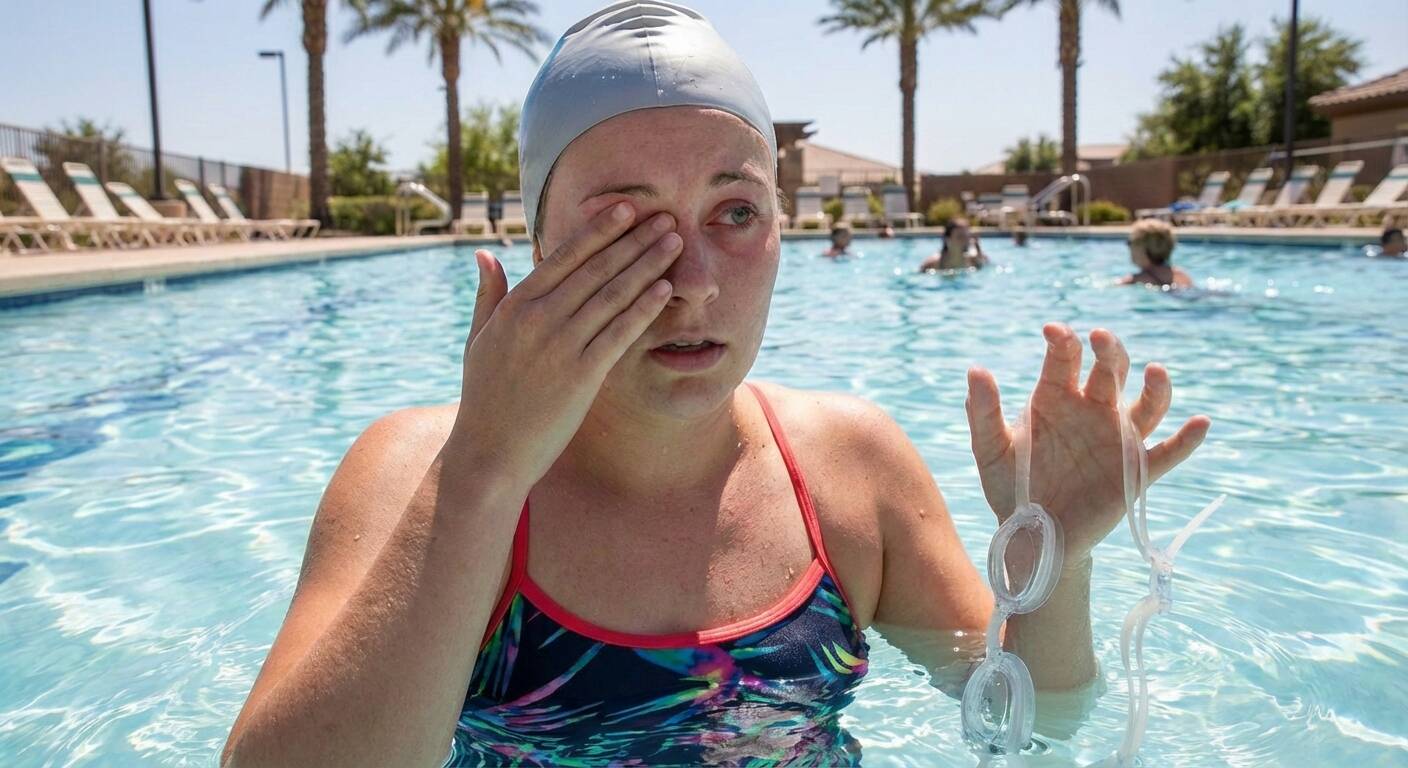
Most contact lens wearers think swimming is just about convenience. Keep the lenses in, see clearly, move on. But your eyes see more than that — and if you don't, you're asking for trouble. Water may look clean, but it leaves a footprint on your cornea. Especially if you're ignoring the risks or assuming chlorine fixes everything.
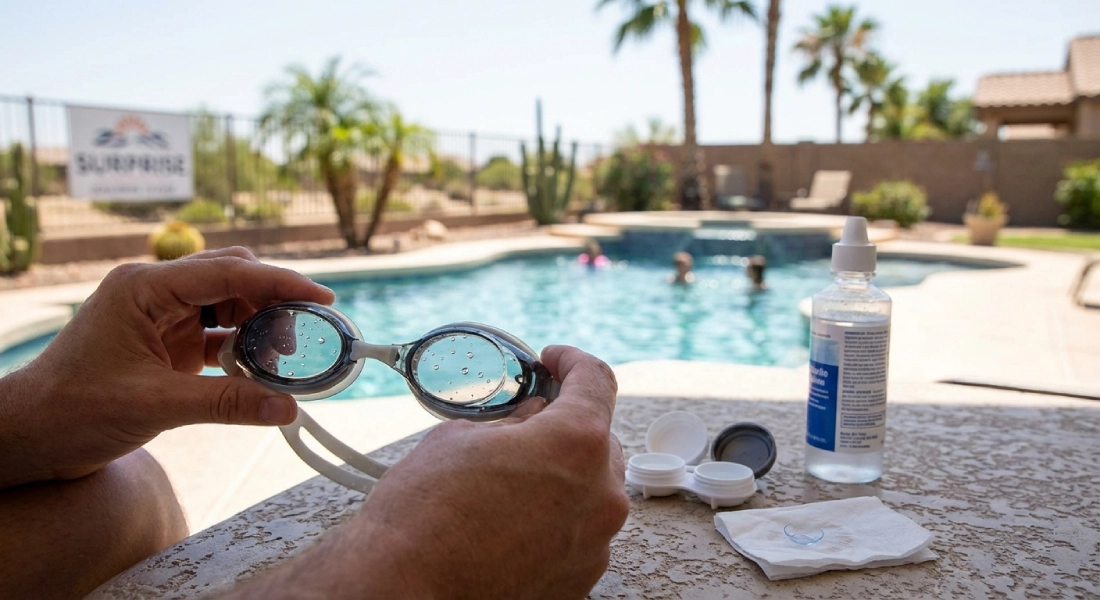
So here's the deal. If you're hitting the pool or lake to cool off, that's great. Just don't treat those lenses like they're waterproof. Every swim should come with a plan. Every infection needs prevention. And every eye health decision should be grounded in how the water was treated — not just how clear it looked from the surface.
Water Isn't as Clean as It Looks
Nine times out of ten, swimming with contacts isn't safe. You expose your lenses to water, microorganisms latch on — that's contamination, not comfort. Your eyes don't care how blue the pool is, only what's living in it and whether those pathogens get trapped under your lenses.
But if an infection takes hold? Different story. Acanthamoeba keratitis can show up as a serious threat, especially if the exposure didn't meet the safety standards you assumed were there. We see this play out in real time with pool and lake swimmers. Plenty of people thought their vision was worth the risk — it wasn't. And when infections get flagged, your eye doctor expects to see you in the office unless you took precautions like removing lenses or wearing goggles.
Chlorine Doesn't Kill Everything
You can't assume treated water means safe water — that's just chemical maintenance. But the protection? That's often incomplete. Most pools let you swim in water that's been sanitized to operate within health codes.
Here's where that matters most:
- Public pools: Treated with chlorine to reduce bacteria, but some organisms like Acanthamoeba resist standard chemical levels.
- Backyard pools: Chlorine only protects the portion you actually maintain — not the corners you skip during cleaning.
- Hot tubs: High heat doesn't guarantee sterility, and the warm environment can actually encourage microbial growth.
- Lake Pleasant and natural water: No chemical treatment at all, so the risk multiplies when lenses trap untreated water against your eye.
- Shower water: Tap water isn't sterile, and the moisture creates conditions where contact lenses shouldn't be worn at all.
When Protection Doesn't Apply
Want to keep your vision safe? You'll need to prove the swim was worth it — and that you weren't gambling with your eye health.
Eye care professionals have three main checkpoints:
- You removed your contact lenses before entering the water
- You wore waterproof goggles if lenses stayed in
- You had a formal plan for lens hygiene, not just a quick rinse or reuse
Fail one of those, and the safety falls apart. Even if the swim technically felt fine at the time. And if any of the water got trapped under your lens? That portion's a risk too. No partial protection for your cornea, even if your vision stayed clear during the swim.
Disposables Don't Solve the Problem
Some contact wearers think daily disposables make swimming safer. Toss them after, no harm done. But the risk doesn't disappear just because the lens gets thrown away. Microorganisms can still attach during your swim, and infections can develop before you ever remove the lens.
The CDC and optometry experts agree on this one. Disposable or not, lenses shouldn't touch water. The convenience isn't worth the potential for serious eye damage, and no lens type gets a free pass when it comes to contamination.
Your Eye Health Is Only as Good as Your Habits
Want to keep your vision? Show your work. You'll need more than good intentions to back up your choices.
Here's what your swimming routine should include:
- Remove contact lenses before any water activity
- Invest in prescription swim goggles if you need vision correction
- Store lenses properly in fresh solution, never in water or saliva
- Discard daily lenses immediately if they touch water — don't reuse them
If an infection starts developing, your eye doctor won't just take your word for it. Mixing water exposure and contact use is one of the fastest ways to end up with a corneal infection. So if those lenses stayed in during your lake trip, you'd better watch for redness, pain, or blurred vision.
Where Most Swimmers Slip Up
Trying to rinse lenses with tap water or assuming a quick dip won't hurt? Your eyes won't find that clever. Sloppy hygiene habits can cost you real vision or even raise serious health flags. Most contact wearers play it safe by removing lenses before swimming or investing in proper goggles — and plenty stay on track by following best practices their optometrists recommend.
Don't wait until symptoms appear to take action. If you miss warning signs, you're giving infections time to worsen. If you ignore discomfort, you risk complications across your entire eye. Check your eyes after every swim. It's cautious. It works.
What to Do If You Forgot
If you accidentally swam with contacts in, that's a red flag situation. Remove the lenses immediately and rinse your eyes with sterile saline — not tap water. Don't reinsert those lenses, even if they seem fine. If you notice pain, redness, light sensitivity, or vision changes, contact your eye care provider right away. That's what professionals are for.
Safer Alternatives Exist
Taking the plunge isn't the hard part. Protecting your eyes the right way — and defending your vision when water's involved — that's where swimmers get caught off guard. There's no excuse for carelessness when the solutions are there for the taking. But there's also no second chances when you blow past the warnings.
We help Surprise residents do more than see clearly. We help them swim smart — with safety, awareness, and an understanding of what it means for their eye health, not just their convenience in the water. Our team provides contact lens fittings and comprehensive eye exams to ensure your vision stays protected year-round.
Let's Keep Your Eyes Safe Together
We know how important it is to enjoy the water without putting your eye health at risk. If you have questions about swimming with contacts or want expert advice tailored to your lifestyle, let's talk it through. Call us at 623-214-0353 or book an appointment so we can help you protect your vision and keep your eyes healthy all year long.
‹ Back
Recent Posts
-

Is It Time for New Eyeglasses in Surprise?
September 25, 2026
-

Can Vision Therapy in Surprise Help with Focus & Attention?
September 11, 2026
-
Does Your Child Need Pediatric Eye Care in Surprise?
August 28, 2026
-
Thinking About Switching to Contact Lenses in Surprise?
August 14, 2026
-
Are Headaches a Sign You Need an Eye Exam in Surprise?
July 31, 2026