


By using our website, you agree to the use of cookies as described in our Cookie Policy
Can Too Much Screen Time Cause Eye Strain in Surprise?
Screens aren't going anywhere. We work on them, learn on them, unwind on them. For most people in Surprise, that means hours of exposure every single day. And while nobody's suggesting you toss your laptop into the desert, ignoring what all that screen time does to your eyes is a mistake. Because yes — too much of it absolutely causes strain. The question isn't whether it happens. It's whether you're doing anything about it.
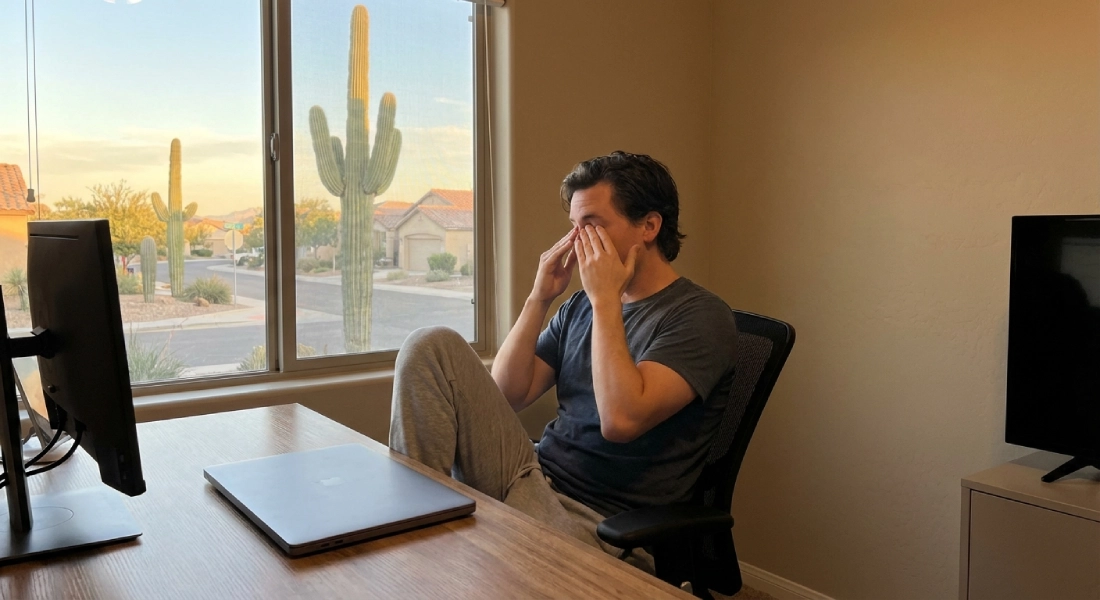
Digital eye strain isn't some vague complaint. It's a real condition with real symptoms, and it shows up fast when your eyes are locked on a glowing rectangle for too long. Your vision system wasn't built for this kind of marathon focus. It was built to scan, shift, and rest. Screens demand the opposite. And if you're not managing that demand, your eyes will let you know.
What Happens When Your Eyes Work Overtime
Staring at a screen forces your eyes into a constant state of adjustment. They're focusing, refocusing, tracking movement, filtering light — all without a break. That's not how your vision was designed to operate. Add in poor lighting, bad posture, or a screen positioned too close, and the strain compounds fast. Your eyes get tired. Your focus starts to slip. And the discomfort creeps in.
Most people don't realize how much less they blink when they're glued to a device. Normally, you blink around 15 to 20 times per minute. On a screen? That can drop by half. Fewer blinks mean less moisture. Less moisture means dryness, irritation, and that gritty feeling that makes you want to rub your eyes every few minutes. It's not dramatic, but it's persistent — and it adds up over the course of a day.
The Warning Signs You Shouldn't Ignore
If you've been spending long stretches in front of a screen, your body will send signals. Some are subtle. Others are harder to miss. Either way, they're worth paying attention to.
- Eyes that feel dry, scratchy, or watery
- Blurred vision or trouble focusing
- Headaches that start behind your eyes
- Neck or shoulder tension
- Sensitivity to bright light
- A feeling that your eyes just won't stay open
These symptoms don't mean permanent damage, but they do mean your eyes are overworked. And in Surprise, where sunlight pours through windows and glare bounces off every surface, the problem can get worse. Reflections on your screen force your eyes to work even harder, and that extra effort shows up as fatigue.
Why Screens Hit Different
Blue light gets a lot of attention, and for good reason. Screens emit more of it than most other light sources, and it's harder on your eyes over time. But blue light isn't the only culprit. The real issue is the combination of factors — reduced blinking, constant focus shifts, poor ergonomics, and extended exposure without breaks. Each one chips away at your comfort. Together, they create a perfect storm for digital eye strain.
Posture plays a bigger role than most people think. If your screen is too high, too low, or too close, your eyes and neck have to compensate. That compensation leads to tension, which leads to discomfort. And if you're hunched over a laptop for hours, your entire body pays the price — not just your eyes.
The Long Game Matters
Digital eye strain won't wreck your vision permanently, but it will wreck your day. Persistent discomfort makes it harder to focus, harder to work, and harder to relax. For kids and teens in Surprise who are spending more time on screens for school and entertainment, the risk is even higher. Their eyes are still developing, and bad habits now can lead to bigger problems later.
Sleep can take a hit too. Blue light exposure in the evening messes with your circadian rhythm, making it harder to fall asleep and stay asleep. So if you're scrolling before bed and wondering why you're still wired at midnight, your screen is part of the problem.
How to Keep Your Eyes in the Game
You don't have to quit screens cold turkey. You just have to be smarter about how you use them. Small adjustments make a big difference, and most of them take zero effort once they become habit.
- Use the 20-20-20 rule — every 20 minutes, look at something 20 feet away for 20 seconds
- Blink more often, even if it feels forced at first
- Position your screen an arm's length away, with the top at or just below eye level
- Cut down on glare by adjusting your lighting or using an anti-glare filter
- Make sure your workspace is well-lit, but not harshly so
- Take real breaks — stand up, move around, give your eyes a rest
- Turn on blue light filters or use glasses designed to block it
When DIY Isn't Enough
If you're doing everything right and still dealing with symptoms, it's time to see a professional. An eye exam can catch issues you didn't know you had — like an outdated prescription or an underlying condition that's making things worse. Optometrists in Surprise can also recommend specialized lenses or treatments tailored to your screen habits.
Don't wait until the discomfort becomes unbearable. Regular checkups keep your eyes healthy and your vision sharp. And if you're spending hours a day on screens, those checkups aren't optional — they're part of the maintenance.
Simple Fixes That Actually Work
Most people overcomplicate this. You don't need expensive gadgets or a complete lifestyle overhaul. You just need to be intentional about how you use your screens and how often you give your eyes a break.
- Set reminders to look away from your screen every 20 minutes
- Keep artificial tears on hand if your eyes feel dry
- Adjust your screen brightness to match your surroundings
- Use larger fonts to reduce squinting
- Clean your screen regularly to reduce glare and smudges
Your Eyes Aren't Invincible
Screen time is unavoidable. But eye strain doesn't have to be. The tools to prevent it are simple, the habits are easy to build, and the payoff is immediate. You'll feel better, focus better, and stop ending your day with a headache and tired eyes.
We spend enough time staring at screens. The least we can do is make sure our eyes can handle it. Take the breaks. Adjust the setup. And if something feels off, get it checked. Your vision is worth the effort.
Let's Keep Your Eyes Comfortable
We all rely on screens more than ever, but that doesn't mean we have to put up with daily eye strain. If your eyes are feeling the effects of too much screen time, let's work together to find relief and protect your vision for the long haul. Give us a call at 623-214-0353 or book an appointment—we're here to help you see and feel your best every day.
‹ Back
Recent Posts
-

Is It Time for New Eyeglasses in Surprise?
September 25, 2026
-

Can Vision Therapy in Surprise Help with Focus & Attention?
September 11, 2026
-

Does Your Child Need Pediatric Eye Care in Surprise?
August 28, 2026
-

Thinking About Switching to Contact Lenses in Surprise?
August 14, 2026
-
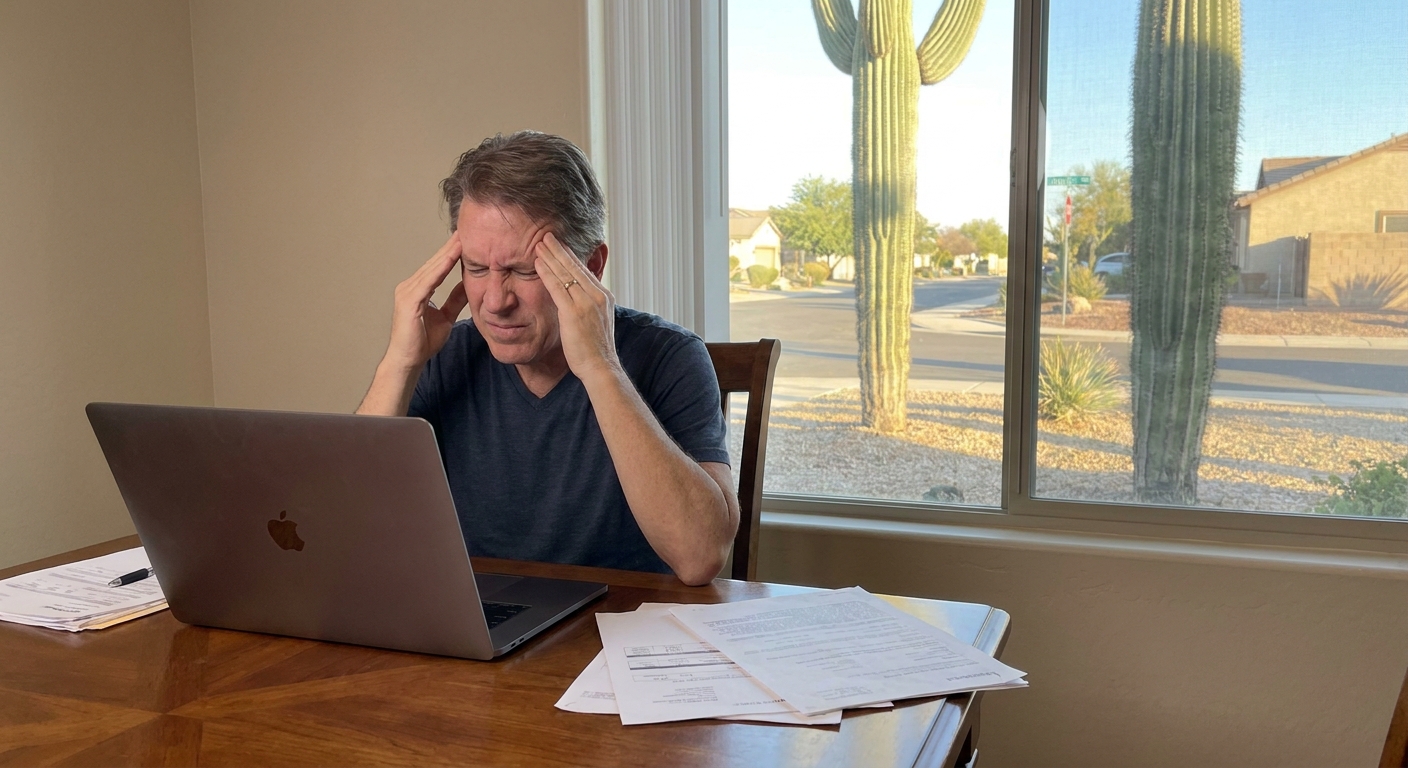
Are Headaches a Sign You Need an Eye Exam in Surprise?
July 31, 2026