

By using our website, you agree to the use of cookies as described in our Cookie Policy
How Blue Light from Screens Affects Vision in Surprise
Screens are everywhere in Surprise. Phones, laptops, tablets, and TVs fill homes, offices, and even cars. Most people check a device before breakfast and keep one close until bedtime. The eyes get hit with blue light from every angle, all day long. There’s no real break. Just more screens, more glare, and more strain.
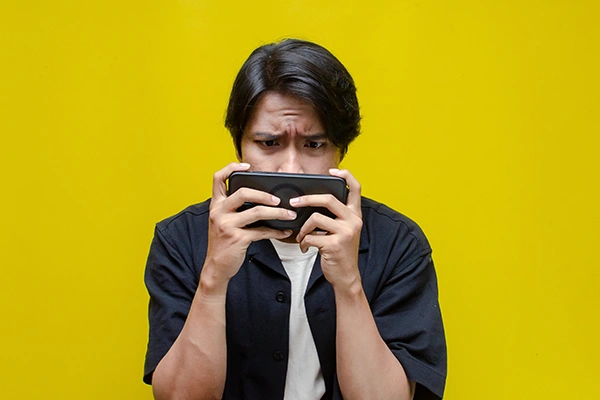
- LED and LCD screens pump out high-energy blue light
- LED bulbs in homes and offices add to the load
- Kids start using screens early and keep them close
- Gaming and streaming stretch screen time into the evening
- Switching between devices multiplies exposure
Most people in Surprise don’t realize how quickly this exposure adds up. The eyes never get a real break. That’s why digital eye strain treatment has become a regular part of life for anyone who spends hours in front of screens.
Clear Signs Your Eyes Are Struggling
Eyes don’t hide their complaints. After a long day with screens, the signals show up fast. Blurry vision creeps in. Headaches settle behind the eyes. Lids feel heavy and gritty. Some people rub their eyes or squint, hoping for relief. Others notice words start to swim on the page or screen. These aren’t minor annoyances. They’re the body’s way of saying enough is enough.
- Persistent headaches after screen use
- Dry, burning, or gritty eyes
- Blurred or double vision
- Difficulty focusing, especially at the end of the day
- Neck and shoulder tension from squinting or leaning in
Week after week, our comprehensive eye examinations reveal the same pattern. Patients try to work through their symptoms, but eye strain keeps building. Waiting makes everything worse. Simple vision issues can turn into medical eye conditions that need serious treatment. Your eyes need proper care now, not just another screen break.
Long-Term Risks of Blue Light
Blue light does more than make eyes tired. It chips away at eye health year after year. Scientists now link heavy screen time to deeper retina damage. Every hour on screens adds up, pushing the risk of macular problems higher. For Surprise residents who live on screens, this matters.
Screen damage sneaks up slowly. First, night driving gets harder. Then glare hits harder than before. Colors start looking flat. These changes come in tiny steps, but add up fast. That's why vision therapy sessions and proper protection can't wait. Your eyes need a solid plan now, before small issues turn serious.
Real Solutions for Digital Eyes
Your eyes deserve better than basic protection. Today's special lens treatments block harmful blue light while letting good light through. These smart filters work during long screen sessions, cutting eye strain without changing how you see colors. You'll notice the difference - less tired eyes, better focus, and fewer end-of-day headaches.
But lenses alone aren’t enough. Healthy screen habits make a difference:
- Take short breaks every 20 minutes. Look away, blink, and refocus
- Keep screens at arm’s length, not inches from the face
- Adjust brightness and contrast to match the room
- Use night mode or blue light filters in the evening
- Limit screen time before bed to protect sleep
These steps sound simple, but they add up. Eyes recover faster. Discomfort fades. Vision stays sharp, even after a long day of work or play.
Children and Blue Light
Today's kids face a digital eye challenge. Screens fill their days - from morning lessons to evening games. Their growing eyes meet phones and tablets before they master reading. This early screen exposure hits harder than adult eye strain. The symptoms look familiar - headaches, fuzzy vision, dry eyes - but pack more punch in developing eyes.
Watch for the signs: kids who rub their eyes often, lean close to screens, or skip reading time. When children lose focus in class or dodge close work, their eyes are sending signals. These warnings matter. Quick action and smart screen rules protect young eyes for life. At Active Eyecare of Surprise, we build custom plans that work for both kids and parents in our digital age.
Why Regular Eye Care Matters
Your vision needs shift as screens take over daily life. Old prescriptions can't keep up with new demands. At Active Eyecare of Surprise, our digital eye strain tests spot problems basic exams miss. We check for screen fatigue, dry spots, and damage from blue light - catching issues before they slow you down.
Our vision therapy puts you back in control. We match the right tools with proven methods to fix eye strain and blur. Your eyes stay sharp, even after long screen hours. We teach you how to protect your vision, not just patch problems. Good habits and regular care keep your eyes working well for years.
Specialized Care for Digital Age Eyes
Active Eyecare of Surprise provides focused care for modern vision challenges. Call us at 623-214-0353 or book an appointment to protect your eyes from digital strain.
‹ Back
Recent Posts
-

Can Vision Therapy in Surprise Help with Focus & Attention?
September 11, 2026
-

Does Your Child Need Pediatric Eye Care in Surprise?
August 28, 2026
-
Thinking About Switching to Contact Lenses in Surprise?
August 14, 2026
-
Are Headaches a Sign You Need an Eye Exam in Surprise?
July 31, 2026
-
Do You Need a Vision Test in Surprise for DMV Renewal?
July 17, 2026