

By using our website, you agree to the use of cookies as described in our Cookie Policy
Contact Lens Care Mistakes That Can Harm Your Eyes
Contact lenses make life easier, but they’re not forgiving. In Surprise, AZ, dry air and dust hit hard. Lenses dry out. Grit gets trapped. Eyes get sore fast. One careless move with cleaning or storage, and you’re dealing with burning, redness, or worse. Most people miss the small stuff that matters. Good habits keep eyes clear. Bad ones don’t go unnoticed for long.
Everyday Habits That Hurt
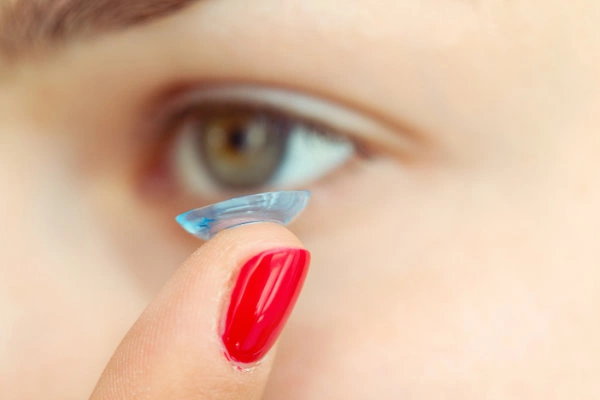
Most problems start with routine. People stretch their lenses past the recommended hours. The eyes dry out. Vision blurs. Comfort drops. Some reach for expired solution, thinking it’s “just a little old.” Bacteria thrive. Lenses pick up invisible grime. Others top off old solution instead of pouring it out. The case becomes a breeding ground. Lenses soak in yesterday’s germs.
- Wearing contacts longer than the box says
- Using solution past its expiration date
- Adding new solution to old instead of starting fresh
- Swimming or showering with lenses in
- Touching lenses with hands that aren’t clean
- Trying to moisten lenses with water or saliva
Each shortcut chips away at eye health. Water from the tap or pool carries microbes. Lenses soak them up. Eyes get exposed. Infection risk jumps. Saliva is even worse—mouth bacteria have no place near the eye. Handling lenses with dirty hands leaves behind oil, dust, and germs. The result? Redness, stinging, and sometimes a trip to urgent care. These aren’t rare events. They happen every week in practices across Surprise.
People want comfort and convenience, but the eyes pay the price. A few minutes saved in the morning can lead to days of discomfort. The best lens wearers treat every step as non-negotiable. They use only fresh, approved solution. They never stretch a lens past its life. They wash hands every time. They never, ever use water or saliva. The difference shows up in clear, comfortable vision day after day.
Symptoms That Signal Trouble
Eyes don’t stay quiet when something’s wrong. Redness creeps in. Lids swell. Vision gets cloudy. Sometimes it’s a dull ache. Other times, it’s a sharp sting every time the lens goes in. These are not minor annoyances. They’re warnings. When eyes start to protest, it’s time to act. Waiting only makes things worse.
Blurred vision, persistent irritation, or a gritty feeling demand attention from an eye care professional. These symptoms often point to infection or corneal damage. Ignoring them risks permanent harm. Even a slight sting in the morning or a bit of redness at night can be the first sign of a bigger problem. Many patients try to tough it out, hoping it will pass. It rarely does. The longer the wait, the harder the fix.
Regular vision care checkups catch problems before they escalate. Subtle changes, like a lens that feels “off” or eyes that tire faster, often signal the start of trouble. Early visits keep small issues from turning into emergencies. The best lens wearers never ignore their eyes. They know comfort is the baseline, not the goal. Anything less deserves a closer look.
Risks That Don’t Wait
Contact lens complications don’t always announce themselves. Sometimes, the first sign is a red, painful eye that won’t open in the morning. Other times, it’s a slow build. Vision gets a little worse, eyes feel a bit drier, and then suddenly, infection sets in. Eye health complications range from mild irritation to corneal ulcers. The worst cases threaten vision for good.
Living in Surprise means dealing with eye irritants daily. Sand whips through the air during storms, getting trapped between your contact lens and eye. The desert air pulls moisture from your contacts, making them stick and scrape. People who skip cleaning steps or rush their care pay the price - red eyes, sharp pain, and fuzzy vision follow. Every step in contact lens care matters. Your eyes can't afford shortcuts.
Simple Steps That Protect
Healthy eyes with contacts come down to a few non-negotiable habits:
- Use only approved, unexpired solutions every time
- Replace lens cases every month. Old cases breed bacteria
- Follow the recommended replacement schedule for your lens type
- Wash hands thoroughly before handling lenses
- Never use water or saliva on lenses
- Remove lenses before swimming or showering
These steps sound simple, but they make the difference between clear vision and a week of misery. The best lens wearers never cut corners. They know their eyes depend on it. When in doubt, they choose caution. No one regrets being too careful with their vision.
When to Get Help
Eyes that burn, itch, or turn red need professional care. Waiting rarely helps. The sooner the problem gets checked, the easier the fix. Our contact lens fitting specialists see these issues every day. We know what to look for and can spot problems before they get out of hand. Regular checkups with Active Eyecare of Surprise keep eyes healthy and lenses comfortable. Skipping visits is never worth the risk.
Specialized Care When You Need It
Active Eyecare of Surprise provides focused contact lens care for patients throughout Surprise, AZ. Call us at 623-214-0353 or book an appointment to ensure your eyes stay healthy and comfortable with contacts.
‹ Back
Recent Posts
-

Is It Time for New Eyeglasses in Surprise?
September 25, 2026
-

Can Vision Therapy in Surprise Help with Focus & Attention?
September 11, 2026
-

Does Your Child Need Pediatric Eye Care in Surprise?
August 28, 2026
-

Thinking About Switching to Contact Lenses in Surprise?
August 14, 2026
-

Are Headaches a Sign You Need an Eye Exam in Surprise?
July 31, 2026