
By using our website, you agree to the use of cookies as described in our Cookie Policy
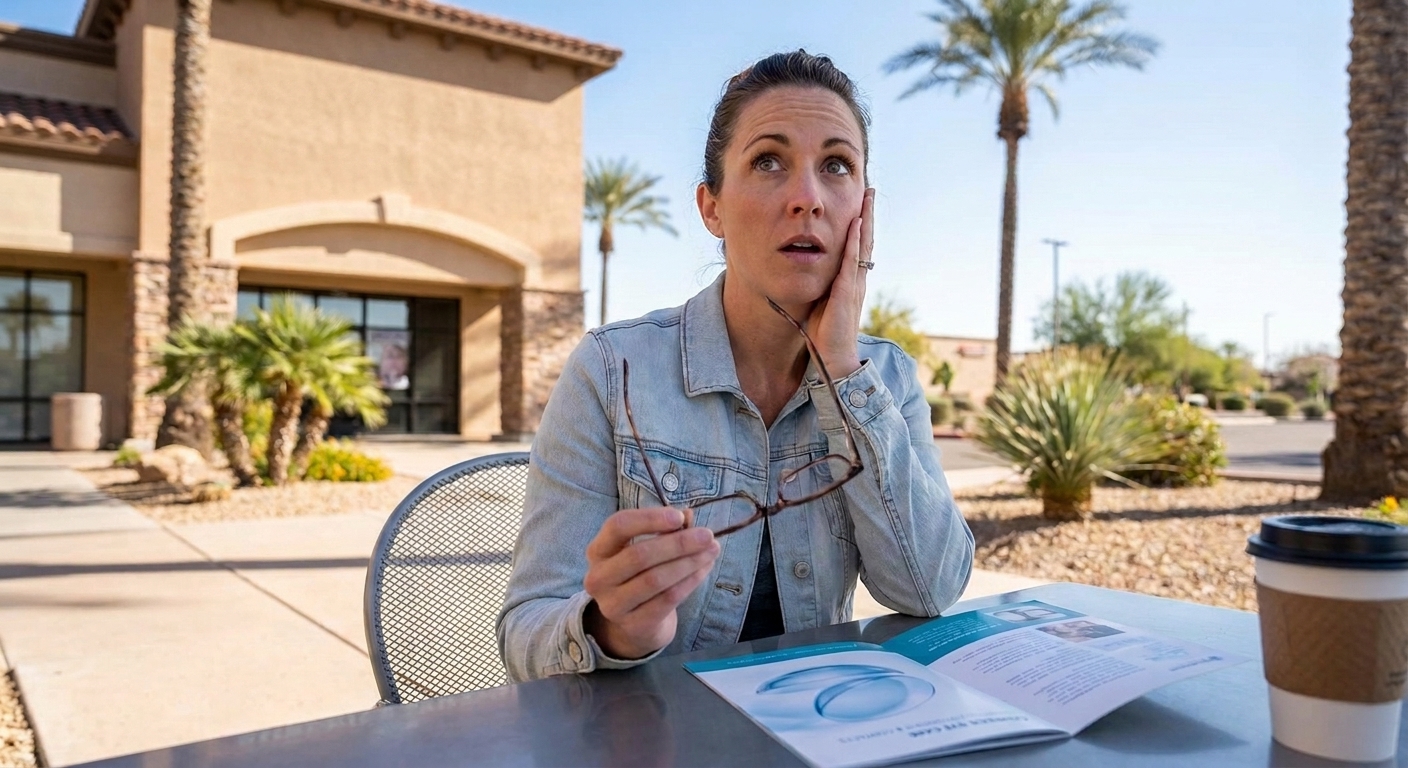
Thinking About Switching to Contact Lenses in Surprise?
Most people think contacts are just about ditching the frames. Better peripheral vision, no fog on your lenses, cleaner look. But there's more to it than aesthetics — and if you're not prepared for what comes next, you're setting yourself up for frustration. Contacts aren't a drop-in replacement for glasses. They require commitment, care, and a realistic understanding of what your eyes can handle. Especially if you've never worn them before.
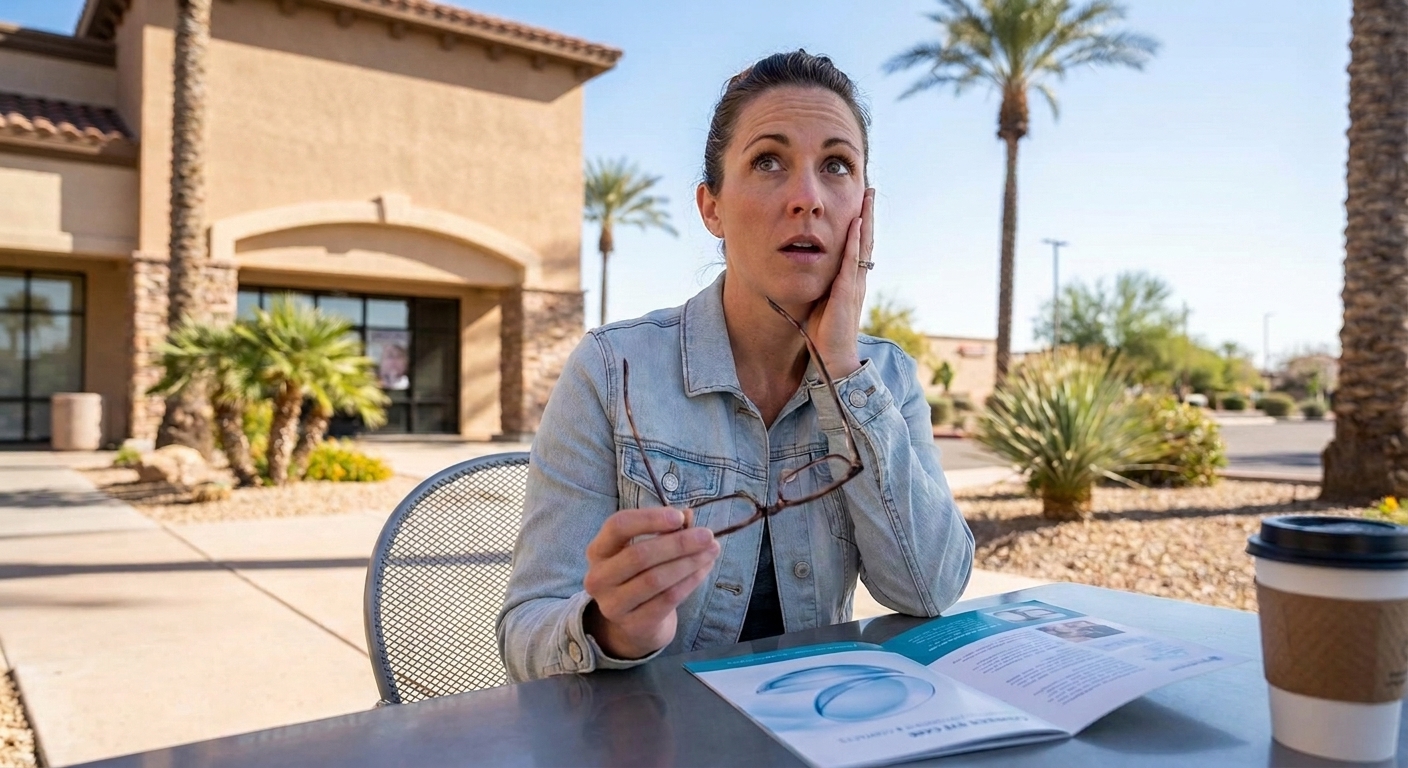
So here's what matters. If you're ready to explore contacts for real reasons — sports, convenience, lifestyle — that's solid. Just don't treat this decision like a casual experiment. Every lens type has trade-offs. Every fit matters. And every day of wear depends on how seriously you take the hygiene routine — not just how good you think you'll look without glasses.
Contacts Give You Freedom Glasses Can't
Lenses move with your eyes. They don't slide down your nose during a run or fog up when you walk into air conditioning. That's not marketing — that's physics. For anyone who plays sports, works outdoors, or just hates the weight of frames on their face, contacts deliver a level of freedom that eyeglasses simply can't match.
Surprise gets hot. The sun doesn't quit. And when you're stuck choosing between prescription sunglasses or squinting through glare, contacts let you grab any sunglasses you want. That flexibility alone changes how you move through your day. No more sacrificing style for function or carrying multiple pairs around just to cover your bases.
Options That Fit How You Actually Live
Soft lenses dominate the market for a reason. They're comfortable, easy to adapt to, and come in replacement schedules that match how much effort you want to put in. Dailies are the ultimate low-maintenance option — wear them once and toss them. Monthlies save money but demand consistent cleaning. Neither is better. It's about what you'll actually stick with.
If you have astigmatism, toric lenses correct that irregular curve without compromise. If you're over 40 and struggling with near vision, multifocals handle both distances in one lens. Rigid gas permeable lenses are less common now but still the sharpest option for certain prescriptions. The point is, there's a lens that works for your eyes — you just need to figure out which one fits your life.
What the Fitting Process Actually Involves
You don't just walk in and grab contacts off a shelf. An optometrist measures your cornea, checks your tear film, and assesses whether your eyes can tolerate lens wear at all. Some people have chronic dry eye or allergies that make contacts uncomfortable or even risky. That exam isn't a formality — it's the filter that keeps you from wasting time and money on something that won't work.
Once the measurements are done, you'll get a trial pair to test. You'll also get trained on insertion, removal, and care during your contact lens fitting. That part feels awkward at first. Most people blink too much or fumble with the lens. It passes. But if you're not willing to practice or follow instructions, the whole process stalls out fast.
Habits That Keep Your Eyes Healthy
- Wash your hands every single time before touching your lenses
- Use only the solution your optometrist recommends, not tap water or saliva
- Replace your lenses on schedule, whether they feel fine or not
- Never sleep in contacts unless they're FDA-approved for overnight wear
- Keep your case clean and replace it every three months minimum
When Contacts Aren't the Right Call
Some eyes just don't cooperate. Severe dry eye, certain autoimmune conditions, or a history of chronic infections can make contact lens wear unsafe or unbearable. If your optometrist tells you contacts aren't a good fit, listen. Pushing through discomfort or ignoring red flags leads to infections, corneal damage, or worse.
Even if you're cleared for contact lenses, not every lifestyle supports them. If you're terrible at routines, forget to clean things, or can't commit to replacing lenses on time, you're better off sticking with glasses. Contacts demand consistency. Miss that, and you're inviting problems that glasses never cause.

Building Your Wear Schedule
- Start with two to four hours of wear and add time gradually
- Keep your glasses accessible as a backup during the adjustment phase
- Track how your eyes feel at the end of each day
- Don't push through dryness or irritation — take breaks
- Schedule follow-ups to confirm the fit and prescription are holding up
Common Mistakes New Wearers Make
Overwearing lenses is the fastest way to wreck your eyes. Just because they feel fine doesn't mean your corneas are getting enough oxygen. Sleeping in lenses that aren't designed for it multiplies your infection risk. Skipping cleaning steps or reusing old solution creates a breeding ground for bacteria. These aren't scare tactics — they're the reality of what happens when people cut corners.
Another trap is switching lens types without consulting your optometrist. That discount brand you found online might not match your prescription or fit your eye shape. Save a few bucks now, pay for it later in discomfort or blurred vision. If your doctor prescribed a specific lens, there's a reason.
Questions You Should Be Asking
- Am I a candidate for daily disposables or monthly lenses?
- What happens if my eyes feel dry by the end of the day?
- Can I wear contacts during swimming or in dusty environments?
- How often do I need follow-up exams to monitor my eye health?
- What's my backup plan if I develop an infection or irritation?
Why Local Eye Care in Surprise Matters
Big-box retailers and online shops can't measure your eyes in person. They can't catch early signs of problems or adjust your fit when something feels off. A local optometrist in Surprise sees your eyes over time, tracks changes, and responds when issues pop up. That continuity matters more than a cheap price tag.
You're also building a relationship with someone who understands your vision goals and lifestyle. Need lenses that work in the Arizona heat? Want options for outdoor activities? A local provider tailors recommendations to what you're actually doing with your day, not just what's in stock.
Getting Started Without the Guesswork
- Schedule a comprehensive eye exam with a trusted Surprise optometrist
- Discuss your daily routine, hobbies, and vision frustrations honestly
- Test trial lenses and report back on comfort and clarity
- Learn proper insertion, removal, and care techniques before leaving the office
- Commit to follow-up appointments to ensure long-term success
The Real Work Starts After You Leave the Office
Getting fitted for contacts is the easy part. Maintaining them — day in, day out — is where most people either commit or bail. There's no shortcut to clean lenses and healthy eyes. Miss the routine, and you'll end up back in glasses or dealing with infections that could've been avoided. The payoff is real, but only if you're willing to show up for it.
If you're serious about making the switch in Surprise, find an optometrist who'll walk you through the process without rushing. Ask the hard questions. Test the lenses. And when you're ready to commit, follow through. Contacts aren't magic — they're a tool. Use them right, and they'll change how you see your world. Cut corners, and they'll remind you why precision matters.
Ready to See the Difference?
Switching to contact lenses is a big step, but with the right guidance and support, we can make the transition smooth and comfortable together. Let’s talk about your vision goals and find the perfect fit for your lifestyle. Call us at 623-214-0353 or book an appointment to get started on your journey to clearer, more convenient vision.
‹ Back
Recent Posts
-
Is It Time for New Eyeglasses in Surprise?
September 25, 2026
-

Can Vision Therapy in Surprise Help with Focus & Attention?
September 11, 2026
-
Does Your Child Need Pediatric Eye Care in Surprise?
August 28, 2026
-
Thinking About Switching to Contact Lenses in Surprise?
August 14, 2026
-
Are Headaches a Sign You Need an Eye Exam in Surprise?
July 31, 2026