
By using our website, you agree to the use of cookies as described in our Cookie Policy
Vision Therapy in Phoenix, AZ
Reading shouldn’t leave your eyes aching or your mind wandering after a few minutes. When words blur, lines jump, or double vision creeps in after screen time, the problem rarely comes down to a stronger prescription. These are signs your eyes and brain aren’t working together as they should. Vision therapy targets those exact issues, and for people across Phoenix, a focused program can finally bring relief that glasses alone never deliver.
Why Phoenix Patients Rely on Our Vision Therapy Program
Plenty of people drive from Phoenix to our Surprise clinic, and for good reason. Most eye care offices don’t offer vision therapy. This work demands specialized training, hands-on experience, and equipment built for more than just checking clarity. At Active Eyecare of Surprise, every therapy plan starts with a deep evaluation and ends with skills that actually change how you see and function. We don’t hand out generic routines. Each session is built around what you need, whether you’re a parent worried about a child’s reading or an adult tired of headaches at work. People come from all over the Valley because they see real progress, not just promises.
Spotting the Real Signs of Eye Teaming Trouble
Most vision problems don’t show up as blurry sight. Instead, they slip into daily life and get blamed on everything else. Kids get tagged as slow readers. Adults chalk up fatigue to long hours. But when eyes can’t coordinate, the symptoms pile up in ways that standard exams miss.
- Frequent Headaches: Pain around the forehead or temples after reading or using screens for a while.
- Losing Your Place: Skipping lines or re-reading because your eyes can’t track smoothly.
- Double Vision: Overlapping images, especially when you’re tired or focusing hard.
- Eye Fatigue: Eyes that feel worn out even after short bursts of work.
- Poor Depth Perception: Struggling to judge distances or catch moving objects.
- Avoiding Close Work: Choosing tasks that don’t demand steady focus.
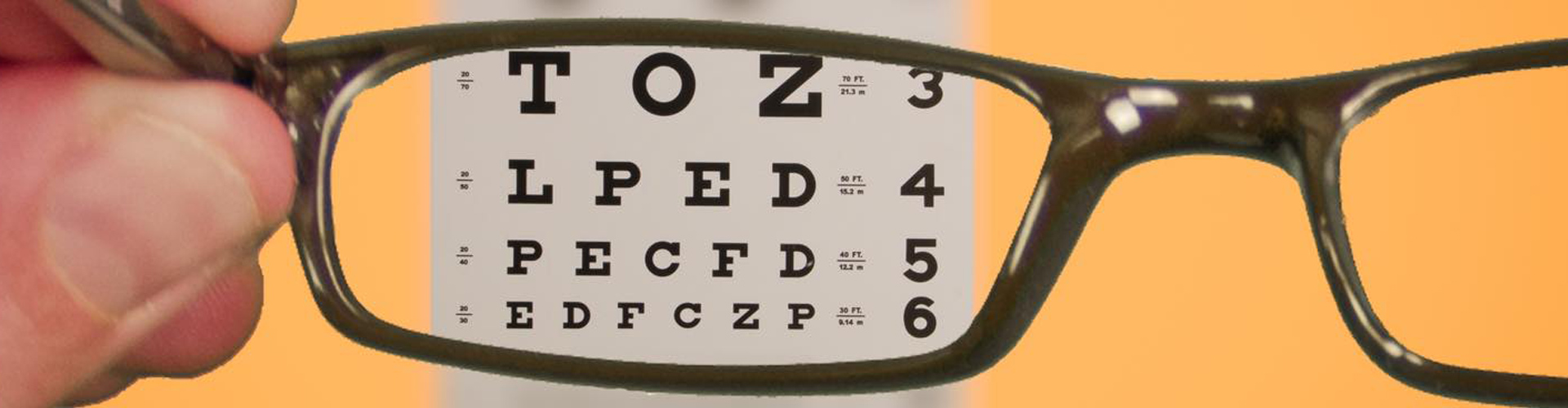
These issues don’t show up on a basic vision chart. A proper binocular vision evaluation digs into how your eyes actually work together, revealing problems that standard tests overlook.
What We Check Before Starting Therapy
When someone walks in for vision therapy, we don’t just ask them to read letters off a wall. The evaluation covers how your eyes track, focus, and team up under real-world conditions. This isn’t about numbers. It’s about how your visual system handles daily demands.
- Eye Tracking: Whether your eyes move smoothly across a page or follow moving objects without jumping.
- Convergence: How well both eyes turn inward for close-up work.
- Focusing Flexibility: The speed and ease of shifting focus from near to far.
- Eye-Hand Coordination: How your vision guides your hands during tasks.
- Visual Processing Speed: How quickly your brain makes sense of what you see.
This baseline shapes every step of the therapy plan. We target the skills that need work and track progress as you go, so nothing gets missed or left to chance.
Why Glasses Alone Don’t Solve These Problems
Glasses sharpen what you see, but they don’t teach your eyes to work as a team or help your brain process information faster. Many people arrive at our clinic already wearing glasses, still struggling with reading, focus, or eye strain. The lenses help them see clearly, but therapy helps them use their vision efficiently. Some need both. Others find that therapy reduces their reliance on corrective lenses over time. The difference comes down to training the system, not just correcting the image.
How We Set and Track Your Therapy Goals
With the evaluation results in hand, we set goals that match your daily challenges. For a child, that might mean smoother reading and fewer skipped lines. For an adult, it could be less eye strain and sharper focus at work. Each plan adapts as you improve, and we keep you updated on progress every step of the way.
- Improved Reading Speed: Moving through text smoothly without losing your place.
- Reduced Eye Strain: Comfortable vision during long stretches of work or study.
- Better Coordination: Eyes that track and team up without effort.
- Stronger Focus Control: Quick, clear shifts between near and far tasks.
- Enhanced Sports Performance: Faster reactions and sharper depth judgment.
Most people notice changes within weeks, not months. The goal is always practical. Better function, less frustration, and more confidence in daily life.
Making the Trip from Phoenix Worthwhile
For many, the drive from Phoenix to Surprise is a small investment for lasting results. Sessions usually run once or twice a week, and we work with your schedule to keep things manageable. Home exercises fill the gaps between visits, so progress keeps moving even when you’re not in the office. Families from Glendale, Peoria, and central Phoenix count on our flexibility and dedication to real outcomes.
Your Eyes Deserve More Than a Quick Fix
If reading feels harder than it should or your eyes never seem to cooperate, it might be time to look beyond glasses. Call us at 623-214-0353 or book an appointment with Active Eyecare of Surprise to schedule your evaluation.